Emerging Technologies in Warfare (Cyber, Space, Quantum) | Nuclear Policy, Deterrence and strategic Stability | Research Paper
Cyber-deterrence and Cyber-CBMs: Way Forward for Managing India-Pakistan Cyber Rivalry


Abstract The maritime domain – a hub of global trade, communication, and national security – is emerging as an important theater in the evolving landscape of cyberwarfare. With its increasing reliance on interconnected digital systems, this sector encompasses risks to both commercial and military operations, with attacks capable of disrupting supply chains, compromising naval capabilities,…
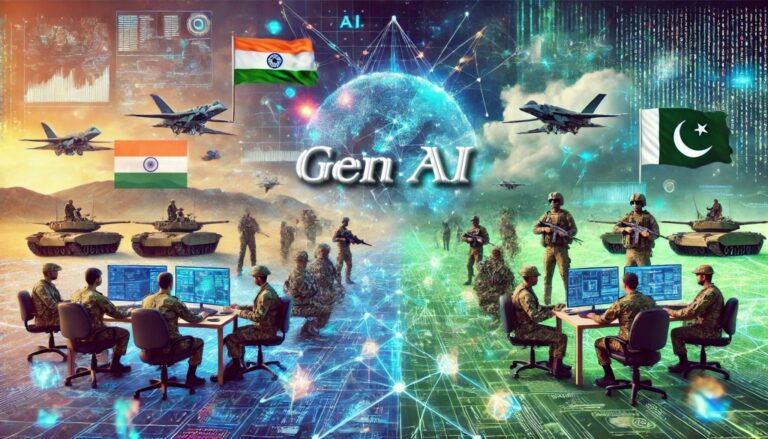
By Dr Anum A Khan Imagine a scene. It is the Indian military command center on the night of May 28, 2028. A high-ranking Indian military officer sends a message to a subordinate commander; Pakistan has initiated a preemptive strike. Prepare for a retaliatory strike. This is not a drill. Missile flight time between both…
By Dr Anum A Khan Conference: Second International Conference on Climate Change and the Role of Nuclear Power: Atoms4NetZero, International Atomic Energy Agency (IAEA), Vienna, Austria Abstract The article was published by the IAEA database and is available here.
By Dr Anum A Khan Since 1974, India has set its course to achieve the status of a hegemonic power, turning it into a provocateur in the South Asian region. The Indian quest for a Ballistic Missile Defense shield (BMD) is an exemplar of Indian military modernization to achieve such belligerent ambitions. This BMD is…
By Dr Anum A Khan Abstract This paper is an attempt to assess Indian nuclear security architecture in the light of recurrent Indian nuclear security incidents and their impact on national regional and global non-proliferation efforts. India is one of the significant global nuclear energy markets for Russia and US alike. Nevertheless, nuclear safety and…
By Dr Anum A Khan Artificial Intelligence will alter deterrence dynamics and coercion between nuclear weapon states in unique ways. Perhaps the most notable global shift in the past decade has been the rapid transformation in technological innovation. The 21st century has brought significant new developments for waging warfare, both intuitively and intentionally, as artificial…